


Pocono Lake pricing is about more than one number: property condition, community rules, access to recreation, financing, and the season can all influence a decision. Buyers can make clearer offers by comparing like-for-like homes, while sellers can benefit from thoughtful preparation and a launch plan that matches current inventory. The goal is not to predict every move in the market—it is to make a well-informed decision with the information available today.
How to Read Home Prices in Pocono Lake
Looking at home prices in Pocono Lake can feel straightforward until two homes with similar bedroom counts have very different asking prices. That difference often comes down to details that do not fit neatly into a listing headline: lot setting, updates, road access, association requirements, rental considerations, utility systems, and proximity to the area’s lakes, trails, and recreational destinations. A useful price comparison starts by separating broad market headlines from the particular features of a specific property.

Start with recent comparable sales whenever possible, but be selective. A renovated year-round home and a property needing substantial deferred maintenance may share a ZIP code without serving the same segment of the market. Similarly, a home with a modern kitchen, a finished lower level, or a well-maintained outdoor area may draw different attention than a similar-sized home without those improvements. Buyers should compare condition, layout, acreage, association dues, and ownership costs—not simply the list-price-per-square-foot figure.
Vacation-home and investment-property considerations can add another layer. Some buyers are evaluating a place for personal use, while others may be reviewing rental policies, operating expenses, and seasonal demand. Community regulations and local requirements should be reviewed directly before those factors are built into a budget or offer strategy. A property’s potential is meaningful only when it aligns with the rules, costs, and practical responsibilities that come with ownership.
The most useful comparison is rarely the closest house on a map. It is the recent sale with the most similar condition, setting, ownership costs, and permitted use.
For sellers, pricing is also a positioning decision. Launching too high can limit early attention from buyers who are searching within defined ranges. Launching without preparation can make it harder for online photos and showings to communicate the home’s strengths. A careful review of competing active listings, pending contracts, and recent closings helps create a more realistic range than relying on a single automated estimate.
Inventory Changes the Conversation
Inventory is the number of homes actively available at a given time, but its real impact depends on what those homes offer. A market can appear to have many listings while still offering few properties that match a buyer’s preferred location, budget, condition, or ownership plans. On the other hand, several similar homes arriving at once can give buyers more options and require sellers to sharpen presentation and pricing.
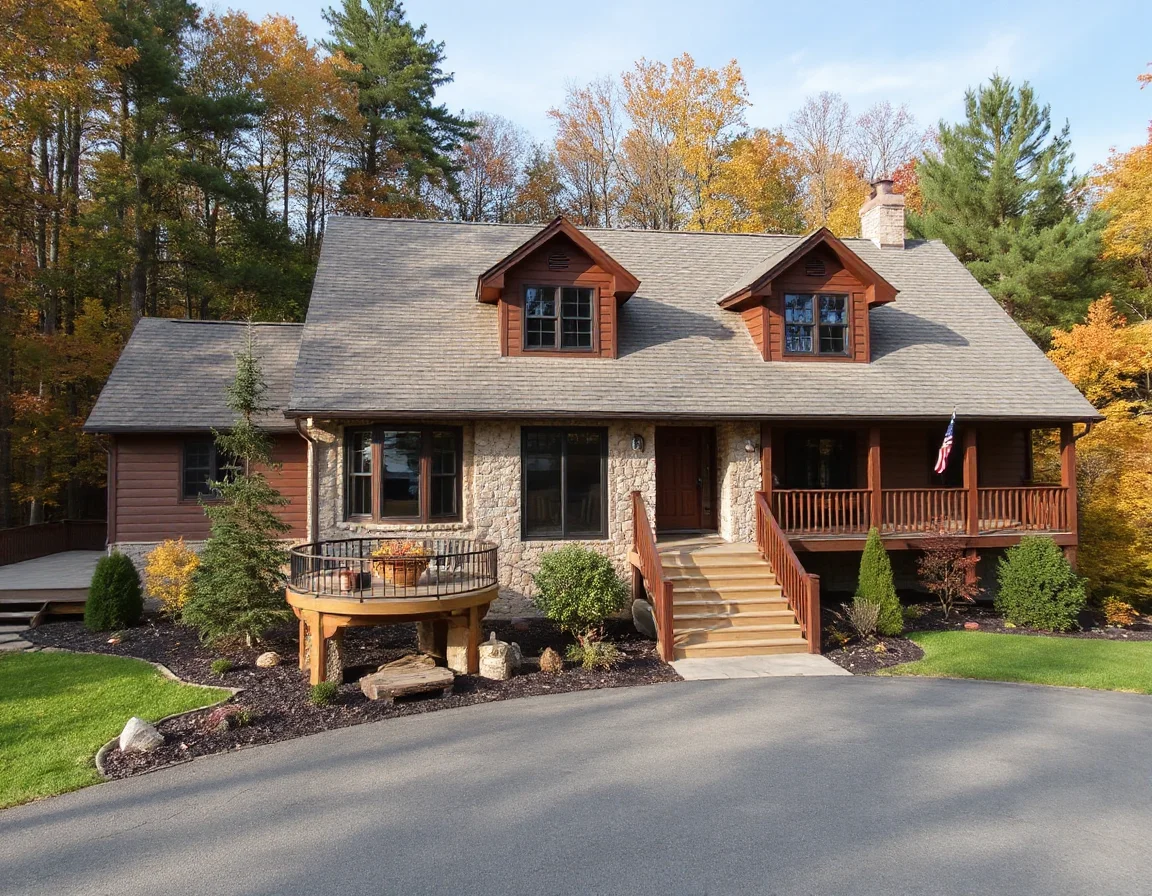
For buyers, a low-selection period does not necessarily mean settling. It means being ready to evaluate a suitable home quickly and carefully. Before touring, clarify the maximum monthly cost, preferred property condition, intended use, and features that are truly essential. This can reduce hesitation when a property checks the right boxes. It also leaves room to investigate inspections, title matters, financing, association documents, and utility details without rushing past important due diligence.
For sellers, competitive inventory is a reminder to make the first impression count. Small tasks can make a meaningful difference: addressing visible maintenance items, improving lighting, simplifying rooms for photography, organizing exterior spaces, and making important property information easy to understand. Buyers often compare several homes in a short period, so clarity can be as valuable as curb appeal.
Inventory also affects negotiating expectations. When choices are limited, a well-priced and well-presented listing may receive attention soon after it reaches the market. When more comparable homes are available, buyers may have greater room to negotiate or wait for improvements in terms. Neither situation removes the need for an individualized strategy; it simply changes the questions worth asking before an offer or listing launch.
Timing a Purchase or Sale Around the Seasons
Pocono Lake real estate often follows a seasonal rhythm because recreation, weather, and travel patterns influence when people schedule tours and make plans. Spring can bring renewed listing activity as owners prepare homes after winter. Summer may place lake access, outdoor spaces, and nearby recreation in clearer view. Fall often highlights wooded settings and can provide a practical window for buyers and sellers who want to move before winter weather returns.
Winter should not be treated as an automatic pause. Listings available during colder months may receive attention from buyers who are actively planning a move, a second home, or an investment purchase. A winter showing can also reveal useful information about driveway maintenance, heating performance, insulation, and access. Sellers who list during this period can benefit from emphasizing practical comfort and keeping entrances, walkways, and exterior features well maintained.
The best time to buy is often when you are ready to make a confident decision, not when a calendar suggests there is one universally perfect week. Financing readiness, cash reserves, desired closing schedule, and willingness to review property details should guide the timing. For a seller, the best launch window is usually when the home is prepared, pricing is supported by current comparisons, and there is a clear plan for showings and negotiation.
- Buyers: Review financing options, estimated ownership costs, and property priorities before the right listing appears.
- Sellers: Gather maintenance records, association information, utility details, and recent improvement documentation before going live.
- Both sides: Watch new listings, pending activity, and recent closings rather than relying on a single monthly headline.
Questions That Bring a Market Decision Into Focus
Whether you are buying or selling, a few direct questions can turn broad market information into a practical plan. Which recent homes are truly comparable? What features are attracting attention in current listings? How does the property’s condition compare with available alternatives? What costs or rules should be confirmed before moving forward? These questions create a more useful conversation than asking whether it is simply a “good” or “bad” time.
Pocono Lake offers a varied housing landscape, from full-time residences to properties used for seasonal getaways and investment purposes. That variety is part of what makes local guidance valuable. A well-prepared decision accounts for the property, the current competition, and the owner’s or buyer’s timeline rather than forcing every home into one market narrative.
If you are considering a move, begin with current listings and recent comparable activity, then connect the information to your own goals. Clear preparation, realistic expectations, and careful due diligence can help you move from watching the market to making a decision that fits the property and the moment.