

Buying a first home in Lake Ariel becomes more manageable when financing, property tours, and closing are treated as one connected plan. This guide breaks down the decisions that can help you move from a pre-approval conversation to the closing table with clearer expectations, stronger questions, and fewer last-minute surprises.
Start With a Financing Plan, Not a Listing
It is easy to begin a home search by scrolling through photos, saving favorites, and imagining where furniture might go. For a first-time buyer, however, the most useful first step is understanding the financial framework behind the search. Lake Ariel offers a mix of year-round residences, vacation properties, lake-area homes, and properties with land or community amenities. Each can come with different lending considerations, so a clear pre-approval helps focus the search on options that fit both your goals and your budget.
A pre-approval is more detailed than a quick online estimate. A lender typically reviews income, assets, debt, credit history, and documentation to provide a conditional borrowing range. Ask the lender how the monthly estimate is built: principal, interest, property taxes, homeowners insurance, mortgage insurance when applicable, and any homeowners association or community fees should all be part of the conversation. The purchase price is important, but the complete monthly payment is the number that shapes everyday ownership.
Lake-area and rural-leaning properties can introduce practical questions worth asking early. Is the home served by public utilities, a well, or a septic system? Is it intended to be your primary residence, a second home, or an investment property? Does the road or community have fees that affect the monthly budget? A lender can explain which details may influence loan options, required inspections, down payment guidelines, or underwriting timelines.
A pre-approval is most helpful when it includes a comfortable monthly-payment target, not simply the highest amount a lender says you may borrow.
Set aside funds for more than the down payment. Buyers commonly budget for earnest money, inspections, appraisal-related costs where applicable, lender fees, title services, prepaid insurance, and closing costs. Your lender can prepare a Loan Estimate after you apply, while your real estate professional can help you understand the local transaction steps and likely timing. Keeping a reserve after closing can also make the transition into homeownership feel more flexible.
Tour Homes With a Repeatable Method
Once financing is underway, touring can become the most exciting part of the process—and the easiest place to lose track of details. A thoughtful visit is more than a quick reaction to paint colors or a well-staged kitchen. It is an opportunity to look at how the property functions, how it has been maintained, and what ongoing ownership may involve.
Before each tour, revisit your priorities and separate them into three categories: essentials, preferences, and projects you are willing to consider. Essentials may include the number of bedrooms, location relative to regular destinations, a main-level layout, or a specific budget range. Preferences may include a deck, fireplace, garage, finished lower level, or water access. Projects might involve cosmetic updates, landscaping, or replacing older finishes. This approach helps you compare homes on the same terms instead of relying only on a memorable first impression.
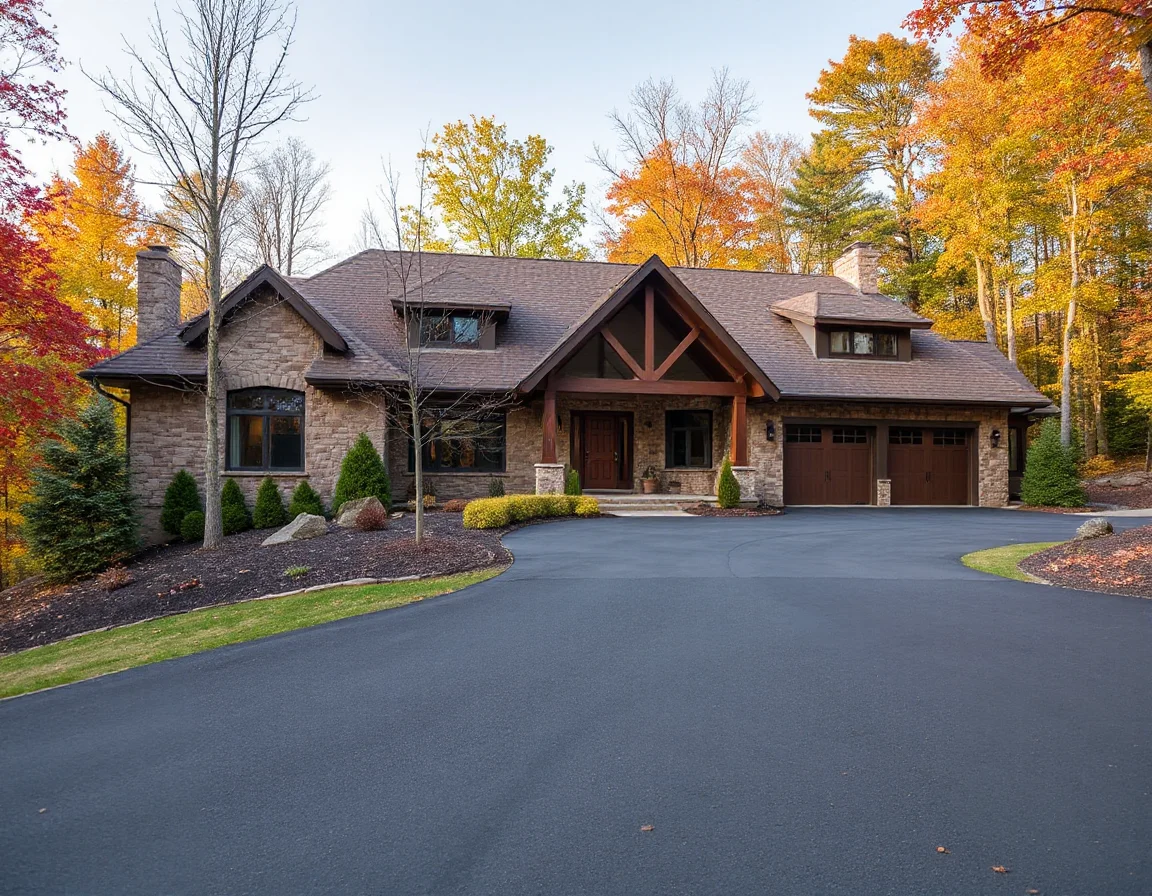
During the visit, look beyond décor. Notice the age and visible condition of major systems, the flow between rooms, storage areas, window placement, drainage around the exterior, and the state of decks, steps, retaining walls, or driveways. If a property has a well or septic system, ask what documentation may be available and what inspections are customary. If it is part of a community, request the rules, fees, and available association documents early enough to review them before contingencies expire.
Take simple notes after every showing. Record what stood out, what needs follow-up, and whether the home meets your essentials. Photos can help, but notes about practical details are often more useful when comparing several properties later. A second visit can be valuable when a home remains at the top of your list, especially if you want to revisit room sizes, exterior features, or the route to places you travel regularly.
The best tour questions are specific: ask about age, maintenance, access, utilities, fees, and documents rather than relying on assumptions about a property.
Make an Offer With Inspection Time in Mind
When you find the right fit, an offer is more than a number. It can include your proposed price, deposit, financing terms, requested closing date, and contingencies. Your real estate professional can explain the forms used in the transaction and help organize the details so the offer reflects your priorities. In a changing market, clean terms and realistic timelines can be just as important as the purchase price.
Inspections are a key stage for many first-time buyers. A general home inspection can identify visible conditions and maintenance concerns, while the property itself may call for additional evaluations. Depending on the home, these can include well water testing, septic inspection, radon testing, wood-destroying insect inspection, chimney review, or specialized assessments of systems and structures. The right set of inspections depends on the property, the contract, lender requirements, and your own due diligence.
Inspection findings do not always mean a transaction should stop. Nearly every home, whether newly updated or long established, will have maintenance items. The goal is to distinguish between routine upkeep, future planning, and issues that deserve further evaluation or negotiation. Read reports carefully, ask qualified professionals for clarification when needed, and keep the contractual response deadlines on your calendar.
Understand What Happens Before Closing Day
After an accepted offer, several processes begin at once. The lender moves toward final underwriting, the appraisal may be scheduled, title work is ordered, insurance is arranged, inspections are completed, and requested documents are gathered. Staying responsive matters: a lender may ask for updated bank statements, explanations of deposits, or confirmation that employment and finances have not changed. Avoid major credit purchases, new loans, or large unexplained transfers until your loan has closed unless your lender has advised otherwise.
As closing approaches, review the Closing Disclosure when it arrives and compare it with your earlier estimates. Confirm the final loan terms, cash needed to close, and the method for transferring funds. Be especially careful with any wiring instructions: verify them directly with the settlement office using a trusted phone number, not only through an email message. This simple habit can help prevent costly fraud.
A final walk-through is generally your chance to verify that the property is in the agreed-upon condition, included items remain in place, and any negotiated work has been addressed as documented. It is not another inspection, but it is an important final check before signing. Bring notes, ask questions, and give yourself enough time to look carefully.
First-time ownership in Lake Ariel can begin with confidence when the process is broken into practical steps: prepare your financing, compare homes with intention, use inspections wisely, and stay organized through closing. With a clear plan and a team that can explain each milestone, the path from your first tour to receiving the keys can feel far more approachable.