


Milford buyers have more than one way to approach today’s market: compare newly listed homes quickly, look beyond the headline price, and evaluate each property’s condition, setting, and long-term use. Whether you are considering a primary residence, a weekend retreat, or an investment property, a clear search plan can make changing inventory easier to navigate.
Reading Milford’s Market Beyond the Asking Price
Milford, Pennsylvania, continues to draw attention for its historic streetscape, access to outdoor recreation, and convenient position near the Delaware River and the Pocono Mountains. For buyers, however, the most useful market question is rarely just, “What is the average price?” A more practical question is how the newest listings compare with one another in location, upkeep, lot characteristics, taxes, utility systems, and the improvements that may be needed after closing.
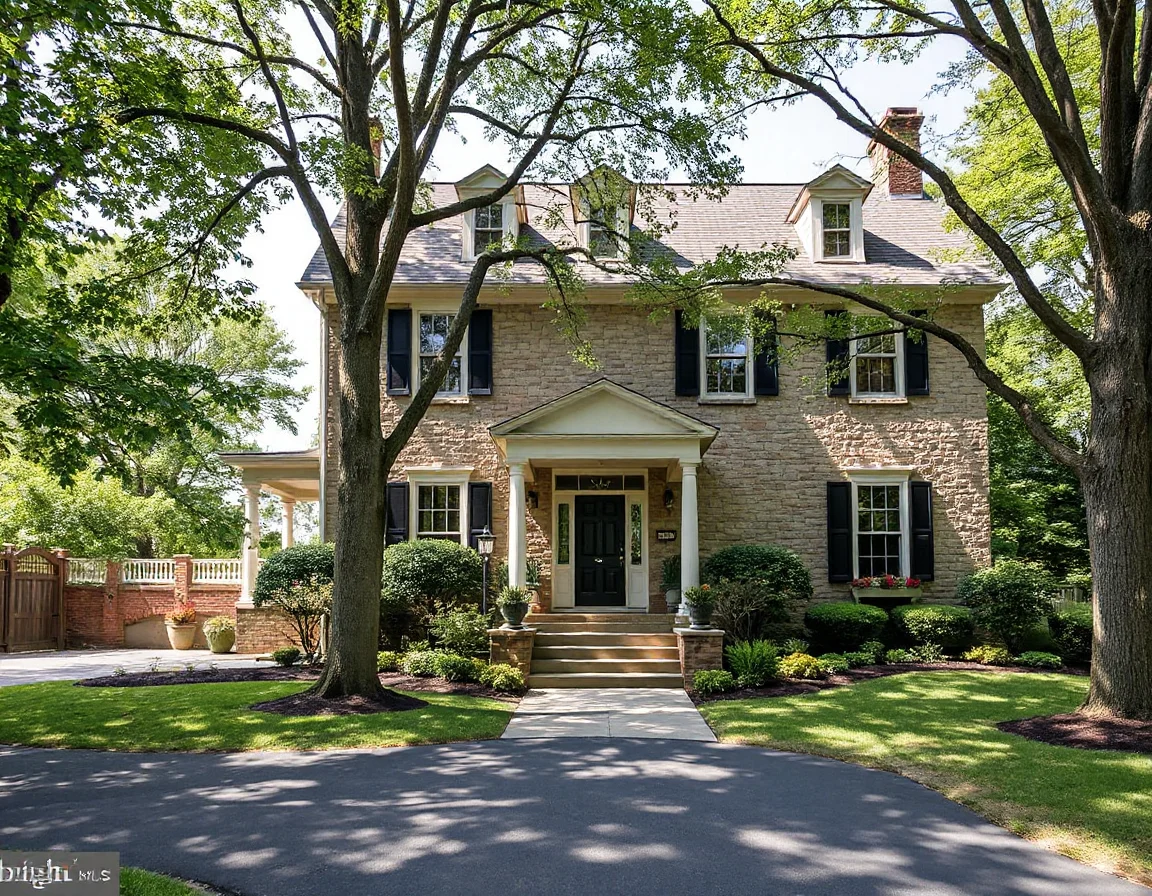
New listings can create momentum because they give buyers a fresh point of comparison. A home that has just reached the market may be priced in line with recent nearby sales, while another may reflect extensive renovations, acreage, river proximity, a distinctive architectural style, or specialized features. Looking closely at the listing details and arranging a timely visit can help buyers determine whether a property’s asking price is supported by what it offers.
Price ranges also vary meaningfully across the broader Milford area. In-town homes may offer walkable access to local services, galleries, public spaces, and the borough’s historic character. Properties outside the borough can bring different considerations, such as private roads, septic systems, wells, wooded acreage, zoning questions, or longer drives to daily destinations. None of these features is automatically better than another; the right fit depends on how the property will be used and what ongoing responsibilities a buyer is prepared to take on.
A strong comparison includes the purchase price, estimated monthly carrying costs, property condition, and the likely timeline for repairs or updates—not just the number displayed at the top of a listing.
For vacation-home and investment-property shoppers, it is especially important to separate the appeal of a setting from the numbers behind ownership. Review local rules, association documents when applicable, insurance needs, seasonal maintenance, and realistic operating costs before building a budget. If rental use is a consideration, verify current municipal and community regulations directly rather than relying on assumptions from a previous listing or a neighboring property.
What New Listings Can Tell You
New inventory is useful even when a particular home is not the right match. Each listing offers clues about current buyer choices: available home styles, renovation levels, lot sizes, and the relationship between condition and asking price. Over several weeks, those comparisons can clarify which features consistently command attention and which homes may offer room for a more deliberate evaluation.

Buyers often benefit from making two lists before touring homes. The first should identify essential requirements, such as a preferred bedroom count, work space, parking arrangement, accessibility needs, or a particular ownership timeline. The second can identify flexible preferences, perhaps a porch, a fireplace, a garage, a larger yard, or a specific finish level. This distinction keeps a search focused while leaving room to recognize value in a home that does not match every initial image in mind.
It is also wise to prepare for the practical questions that surface during showings. Ask about the age and servicing of major systems, roof history, heating fuel, water source, sewer or septic details, drainage, internet availability, and any known permits or improvements. In older homes, character features may be paired with maintenance considerations. In newer or recently renovated homes, buyers can ask what work was completed, whether warranties transfer, and which elements were updated for appearance versus performance.
Property taxes and insurance deserve the same attention as the sale price. A lender, insurance professional, and local real estate advisor can help buyers estimate ownership costs based on a particular address and loan structure. For rural or wooded settings, insurance availability and coverage terms may differ from one property to the next. Gathering these details early supports a more confident offer strategy and reduces last-minute surprises.
The most useful showing notes are specific: document system ages, room dimensions, storage, outdoor maintenance needs, and any follow-up questions while each home is still fresh in mind.
Buyer Options for Different Property Goals
Milford-area inventory can include everything from compact in-town residences to properties with larger lots, historic details, updated interiors, and proximity to recreational destinations. That variety creates several possible paths for buyers. Some may prioritize a home that is ready for immediate use. Others may look for a property with renovation potential, accepting a longer timeline in exchange for the opportunity to personalize the space over time.
A buyer considering a primary residence may place the greatest weight on daily logistics: commute routes, heating costs, storage, parking, road access, and the layout of frequently used rooms. A buyer looking for a second home may focus more on low-maintenance features, lock-and-leave convenience, nearby recreation, or space for visiting guests. For an investment-minded purchase, the analysis should include acquisition costs, financing terms, upkeep, local regulations, and a conservative estimate of income potential. The purpose of the purchase shapes the evaluation, even when two buyers are looking at the same home.
Financing preparation can also widen a buyer’s options. A current pre-approval helps establish a working price range, but it is only one part of readiness. Buyers should reserve room in their planning for inspections, appraisal considerations, closing costs, moving expenses, and immediate repairs. A property that appears comfortably priced at first glance may require a different approach once these factors are included.
Flexibility matters in a market where the best opportunity may not arrive in a predictable format. A home that needs cosmetic changes may have strong underlying systems and a favorable setting. A polished listing may require a more decisive timeline. By returning to the essentials—budget, condition, location, intended use, and ownership costs—buyers can compare these scenarios with less pressure and more clarity.
A Practical Way to Move Forward
The most effective Milford search is active without being rushed. Watch new listings, save comparable properties, revisit priorities after a few tours, and ask for documentation when a feature or improvement will influence your decision. Conditions can vary by price point and property type, so current listing data and recent comparable sales are more valuable than a broad headline about the market.
Milford offers a distinctive mix of historic architecture, natural scenery, cultural activity, and access to the wider Pocono Mountains region. For buyers, that means there may be several viable ways to find a property that supports their plans. With careful comparisons, a complete view of ownership costs, and attention to the details behind each listing, the search can become a well-informed next step rather than a guessing game.