
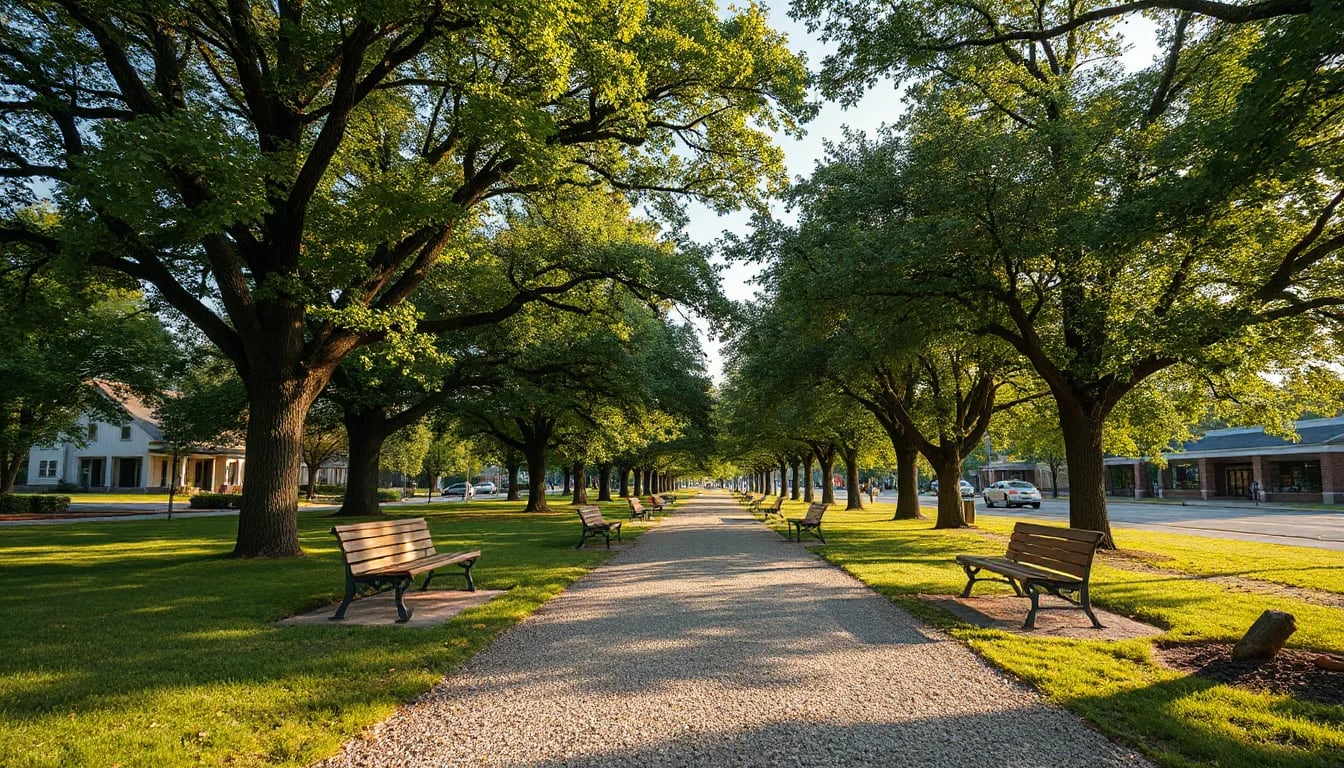
Milford offers an easy way to pair an afternoon outdoors with historic architecture, riverside scenery, and a memorable meal. From wooded trails near dramatic waterfalls to the walkable borough center and the grounds of Grey Towers, this corner of northeastern Pennsylvania rewards an unhurried itinerary.
Start With the Landscape Around Milford
Set near the Delaware River and the Delaware Water Gap National Recreation Area, Milford, Pennsylvania, brings together forested slopes, river views, and a compact historic borough. A visit can be as active or as relaxed as you make it: lace up for a short hike, pause at a landmark, then settle into the borough center for coffee, lunch, or dinner. The area’s appeal is in the variety packed into a relatively manageable drive.
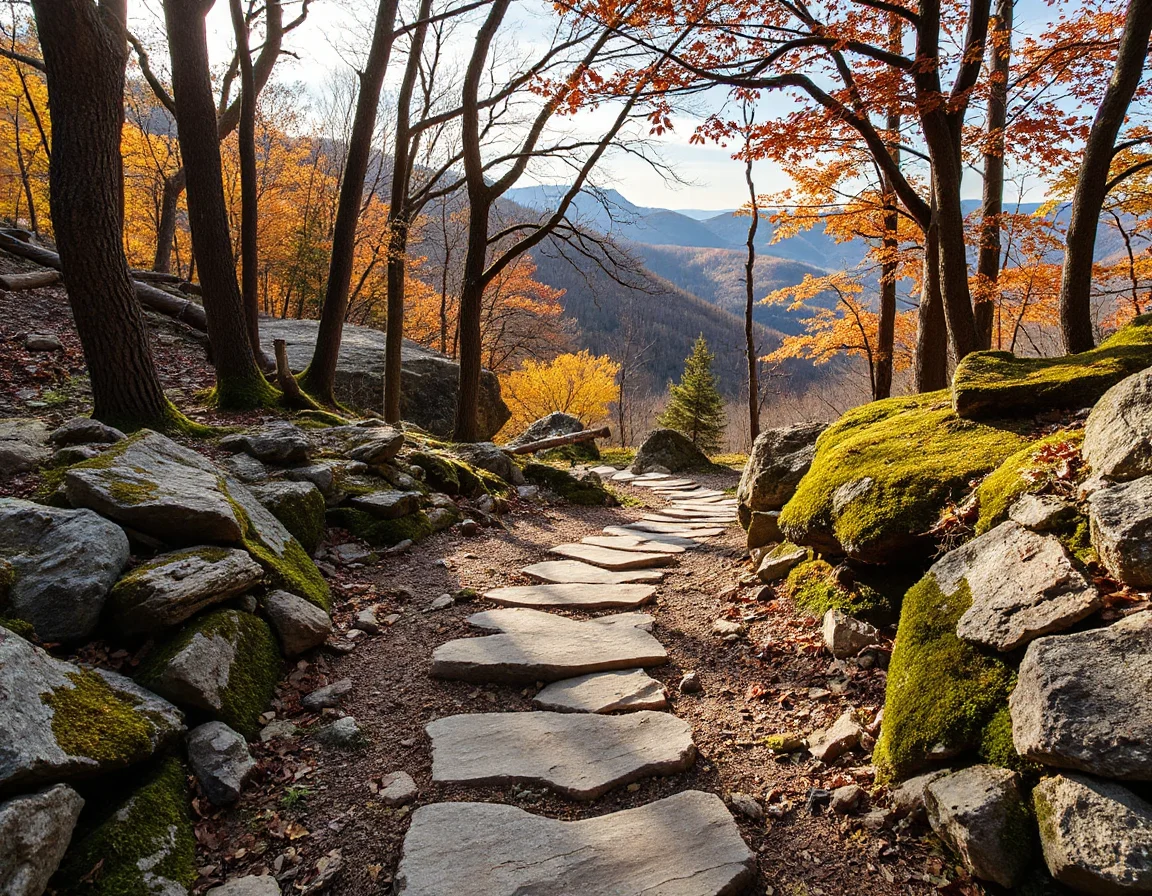
For a classic local outing, Raymondskill Falls is a frequent stop for visitors exploring the national recreation area. The waterfall is reached by a short trail with uneven ground, so sturdy footwear and attention to posted conditions are helpful. The setting feels distinctly regional: hemlock and hardwood forest, rocky terrain, and the sound of water moving through a narrow gorge. It is an especially rewarding place to visit when seasonal color is changing or when spring runoff gives the falls extra energy.
Another nearby option is the Milford Knob Trail, known for its uphill route and overlook near the borough. It is a more vigorous walk than a level riverside path, but the payoff is a view that helps put Milford’s geography into context. Before heading out, check current access information, weather, parking details, and trail notices through the appropriate land-management source. Conditions can change quickly after rain, ice, or storm activity.
Milford’s outdoor stops are close enough to combine, but trail surfaces vary widely. Planning one shorter hike and leaving time for the borough center often makes for a more comfortable day.
Those looking for water views can explore public-access portions of the Delaware River corridor. The river is central to the area’s scenery and history, whether you are stopping at a viewpoint, watching paddlers from shore, or simply taking a quiet break beside the water. Seasonal conditions matter here as well; river levels, weather, and recreation regulations should guide any boating or fishing plans.
Historic Places That Give the Borough Its Character
Milford’s streetscape is one of its most recognizable features. Brick facades, porches, mature trees, and well-preserved buildings create a setting that reflects the borough’s long history without needing a full-day museum schedule. A self-guided walk through the central streets is a practical way to notice architectural details, public spaces, and the rhythm of a small Pennsylvania borough built around a traditional center.
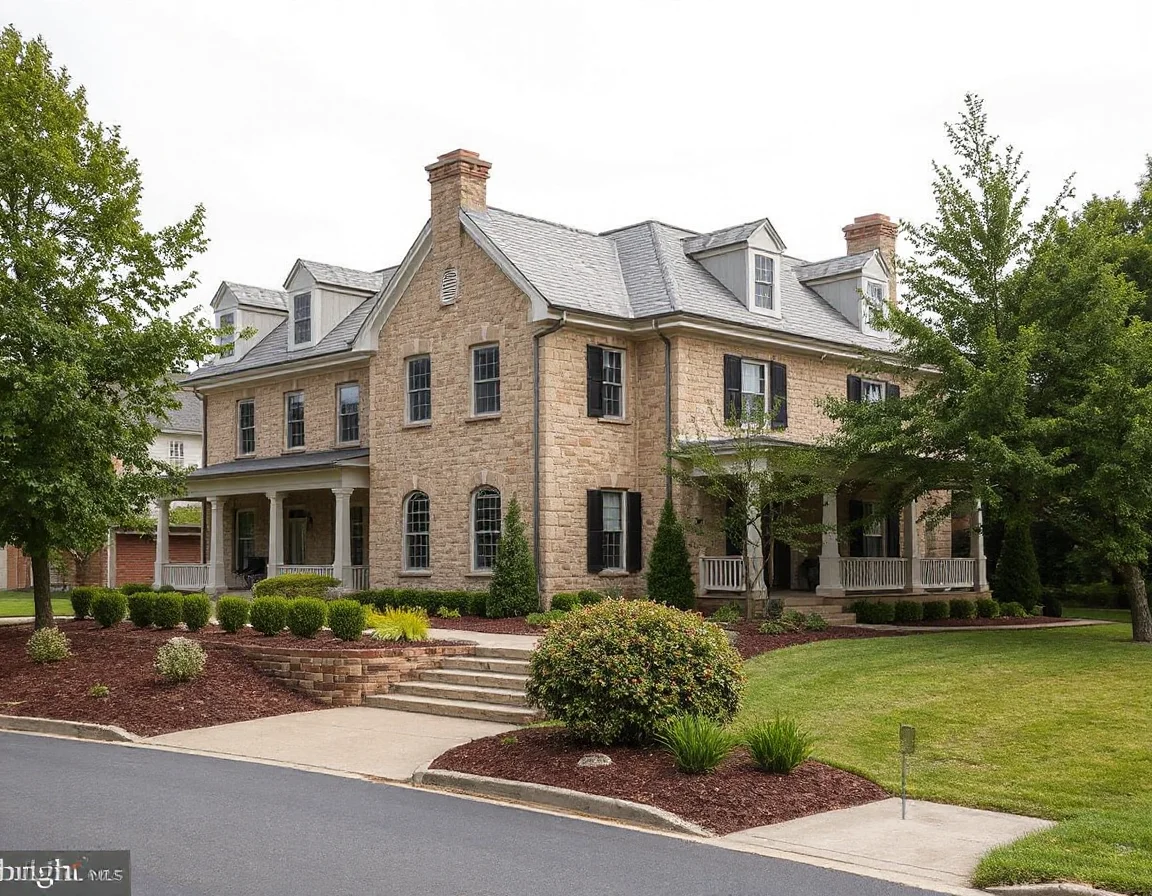
Grey Towers National Historic Site is among the area’s best-known landmarks. The estate was the home of Gifford Pinchot, an early leader in American conservation and a former Pennsylvania governor. Its grounds, historic home, and programming provide context for the region’s conservation legacy. Availability for tours and events can vary by season, so it is wise to review the official schedule before building a visit around an interior tour.
The landmark also offers a useful reminder that Milford’s story is tied to the surrounding landscape. Forest management, river corridors, and the protection of public land are not abstract topics here; they are part of what shapes nearby recreation and the visual character of the region. Even a brief visit to the grounds can add depth to a day otherwise centered on trails and local dining.
Milford Cemetery is another notable historic setting, with elevated views and monuments that reflect generations of local history. Visitors should treat it as an active, respectful place of remembrance, but its pathways and hillside location make it a meaningful stop for those interested in the borough’s past. Taken together, these places reveal a destination where architecture, preservation, and natural surroundings are closely connected.
Make Time for a Meal and a Slow Stroll
After time outside, the borough center provides plenty of reasons to linger. Milford’s dining scene includes casual daytime options, bakeries, coffee stops, and sit-down meals, with many choices clustered within a walkable area. Rather than trying to fit every stop into one itinerary, choose a meal that suits the pace of the day and allow time to wander between destinations. Seasonal menus, hours, and reservations can change, particularly on weekends and holidays.
A practical approach is to start early with a trail or landmark, return to town for lunch, then use the afternoon for browsing local galleries, public spaces, or the river corridor. In warmer months, outdoor seating and events may add energy to the central streets. During cooler weather, the same walk can feel quieter and more architectural, with historic buildings and wooded hillsides taking center stage.
For people considering a home, vacation property, or investment property in the area, spending time in Milford beyond a single afternoon can be revealing. Visit at different times of day, test the drive from nearby destinations, and notice how close a property is to the amenities and recreation that matter to you. The experience of a place is often best understood through ordinary moments: getting a morning coffee, walking a trail after rain, or arriving back in town as the light changes.
A Day Trip That Can Become a Longer Stay
Milford works well as a flexible destination because it does not require a rigid checklist. A visitor can focus on a waterfall trail, a historic estate, the Delaware River, or a long meal in town and still come away with a sense of place. Combining just two or three stops leaves room for detours, changing weather, and the simple pleasure of moving at a slower pace.
Whether you are planning a weekend itinerary or researching the communities of the Pocono Mountains, Milford offers a grounded introduction to the region’s outdoor access and historic texture. Bring comfortable shoes, check schedules before you go, and leave enough space in the day to see what catches your attention along the way.