


Buying a first home in the Pocono Mountains is easier to navigate when the process is broken into clear, practical decisions. From setting a realistic payment range to reviewing road access, utilities, and community rules, a little preparation helps you compare properties with confidence. This guide outlines the milestones that turn a promising search into a well-informed purchase.
Begin with a Clear Financial Picture
The first meaningful step is not touring homes—it is understanding the purchase range that fits your overall financial plan. A lender can review income, assets, recurring debts, and credit history to help estimate a loan amount and monthly payment. That payment should be viewed as more than principal and interest; it may also include property taxes, homeowners insurance, mortgage insurance, and, for some properties, homeowners association or community fees.
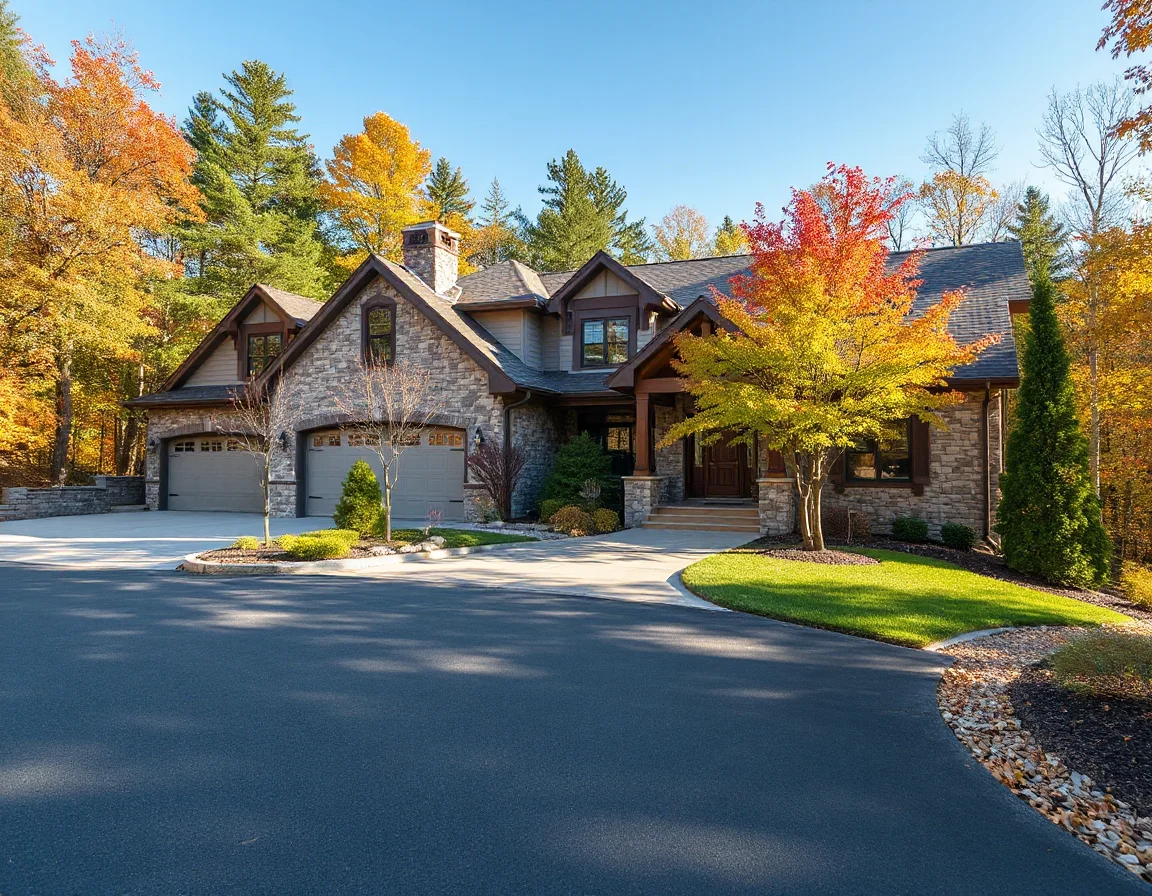
A pre-approval is especially useful before making an offer because it gives sellers and listing agents evidence that financing has been reviewed. It also lets you move through showings with a more focused eye. Instead of asking only whether a house feels right, you can compare its condition, location, taxes, and likely carrying costs against a number you already understand.
Plan for cash needed beyond the down payment. Closing costs can include lender charges, title services, appraisal fees, prepaid insurance, and tax-related items. The exact amount varies by loan program and contract terms, so ask for a written estimate early. Keeping a separate reserve for moving expenses, immediate maintenance, and unexpected repairs can make the transition into ownership less stressful.
In the Poconos, two homes with similar asking prices can have noticeably different monthly costs because taxes, insurance needs, heating systems, and community fees vary by location and property type.
It is also worth deciding how you want the property to function over time. Some purchasers prioritize a primary residence, while others are considering a vacation home or an investment property. Each path can involve different financing rules, occupancy expectations, and operating costs. Being clear about your intended use helps your lender and real estate professional identify the questions that matter before you fall in love with a particular address.
Define Your Search Area and Property Priorities
The Pocono Mountains offer a broad range of settings, from established boroughs and village centers to lake communities, wooded roads, and properties near ski areas and trail systems. A strong search starts with a short list of non-negotiables and preferences. Bedrooms, baths, lot size, parking, single-level living, storage, and proximity to preferred routes may all influence the homes that deserve a closer look.
Think beyond the house itself. Travel time can change with weather, seasonal traffic, road conditions, and the route between the property and the places you visit regularly. During a showing, note the driveway grade, available parking, drainage patterns, street lighting where applicable, and whether the road is publicly maintained or privately maintained. These are not minor details in a mountain region; they can affect everyday ownership and future planning.

For homes in planned communities, request the governing documents as soon as possible. Review annual dues, transfer fees, amenities, rental policies, architectural guidelines, and any rules related to exterior improvements. Community documents are part of the ownership picture, not an afterthought. A property may have access to lakes, common land, recreation facilities, or road services, but the associated obligations should be understood before contingencies expire.
Utilities also deserve attention. Depending on the property, you may encounter public water and sewer, private wells, septic systems, propane, oil, electric heat, wood stoves, or a combination of systems. Ask what serves the home, when major components were installed, and whether service records are available. A home inspection can provide additional context, but initial conversations and listing details can help you decide which homes fit your comfort level.
Browse listings with a plan rather than trying to see everything at once. Save properties that meet your baseline criteria, compare their disclosures and costs, and take notes immediately after each tour. Photos often show a home at its best; an in-person visit is your chance to evaluate natural light, room flow, storage, exterior condition, and the practical details that do not fit neatly into a listing description.
Search Pocono Mountains listings
Tour Thoughtfully and Investigate the Details
Once you begin visiting properties, give every showing a consistent framework. Start with the major systems: roof, foundation, heating and cooling equipment, electrical panel, plumbing fixtures, windows, and visible signs of moisture. You are not replacing a professional inspection, but you are gathering information that helps you ask better questions and recognize when a property may require closer review.
Look at the setting as carefully as the interior. Notice the slope of the land, retaining walls, mature trees near the structure, water flow around the foundation, and the condition of decks, steps, railings, sheds, and driveways. If a home has a fireplace, wood stove, generator, dock, hot tub, or septic system, ask whether permits, maintenance records, or service documentation are available. A thorough record can be valuable both during due diligence and after closing.
For vacation homes and investment properties, research the operating side as carefully as the layout. Confirm whether local rules, association policies, insurance requirements, or financing terms affect rental use. Estimate utilities, maintenance, cleaning, seasonal preparation, and management costs using conservative assumptions. Potential income should never be treated as guaranteed, but a realistic budget can help you assess whether a property supports your goals.
A second visit at a different time of day can reveal practical details such as road noise, sunlight, driveway visibility, and how the property feels after rain or during a busy weekend.
When a home rises to the top of your list, avoid rushing past the paperwork. Seller disclosures, prior inspection reports if available, permits, survey information, utility bills, and community documents can all add useful context. If something is unclear, ask for clarification in writing. The best decision is not necessarily the fastest one; it is the one made with enough information to understand the opportunity and the responsibilities.
Make a Prepared Offer and Use Your Contingencies
An offer is more than a price. It can include financing terms, a requested closing date, earnest money, inspection contingencies, appraisal provisions, items to be included with the home, and other conditions. Your real estate professional can help you compare these terms with the property’s listing details and current market activity, then present an offer that reflects both your interest and your risk tolerance.
After acceptance, the contingency period becomes an important working phase. Schedule inspections promptly and read every report carefully. Depending on the property, you may consider a general home inspection along with specialized evaluations for septic systems, wells, radon, wood-destroying insects, chimneys, or other features identified during the initial review. Your lender will coordinate the appraisal process and continue verifying documentation before final loan approval.
Inspection findings do not automatically mean a purchase should end. Many reports identify routine maintenance, deferred upkeep, and recommended improvements alongside more urgent concerns. Focus on the condition items that affect safety, function, financing, or substantial near-term costs. If repairs, credits, or contract changes are requested, make sure all agreements are documented through the proper channels.
Keep your finances steady while the loan is in process. Avoid opening new credit accounts, making large unexplained deposits, changing jobs without speaking to your lender, or purchasing major items on credit. Final underwriting may review your file again shortly before closing, and consistency helps prevent last-minute delays.
Prepare for Closing and Your First Season of Ownership
Before closing, review your settlement disclosure, confirm the amount and delivery method for funds, arrange homeowners insurance, and schedule a final walk-through. The walk-through is your opportunity to verify that the home is in the agreed-upon condition, included items remain, and any negotiated work has been completed as documented. Bring notes, photos, and repair agreements so nothing is overlooked.
After receiving the keys, start with simple organization. Save warranties, inspection reports, appliance manuals, utility contacts, and service records in one accessible place. Learn the locations of the main water shutoff, electrical panel, heating controls, and any septic or well components. For a Pocono property, a seasonal checklist for gutters, snow removal, winterization, heating service, and exterior drainage can be particularly useful.
First-time ownership is a learning process, and every property teaches its own rhythms. By combining a realistic budget, careful due diligence, and a clear understanding of local property features, you can move from browsing to closing with greater confidence. The goal is not to find a flawless home; it is to find a home whose opportunities, condition, and costs make sense for your plans.
Contact Cynthia Blanchard to discuss your Pocono Mountains home search