

Pocono Lake offers an everyday rhythm shaped by wooded roads, lake-centered recreation, practical services, and easy access to the wider Pocono Mountains. Whether you are comparing a full-time residence, a weekend retreat, or an investment property, understanding how errands, outdoor time, dining, and seasonal activity fit together can help you evaluate the area with confidence.
A Daily Routine with Room for the Outdoors
Pocono Lake is known for its forested setting, nearby lakes, and access to recreation throughout the year, but everyday living here is about more than a getaway view. Residents and property owners balance ordinary routines—grocery runs, appointments, home maintenance, and meal plans—with opportunities to step outside close to home. The result is a place where a short drive can connect a quiet residential road to trail access, a waterfront overlook, or a regional route leading toward neighboring communities.
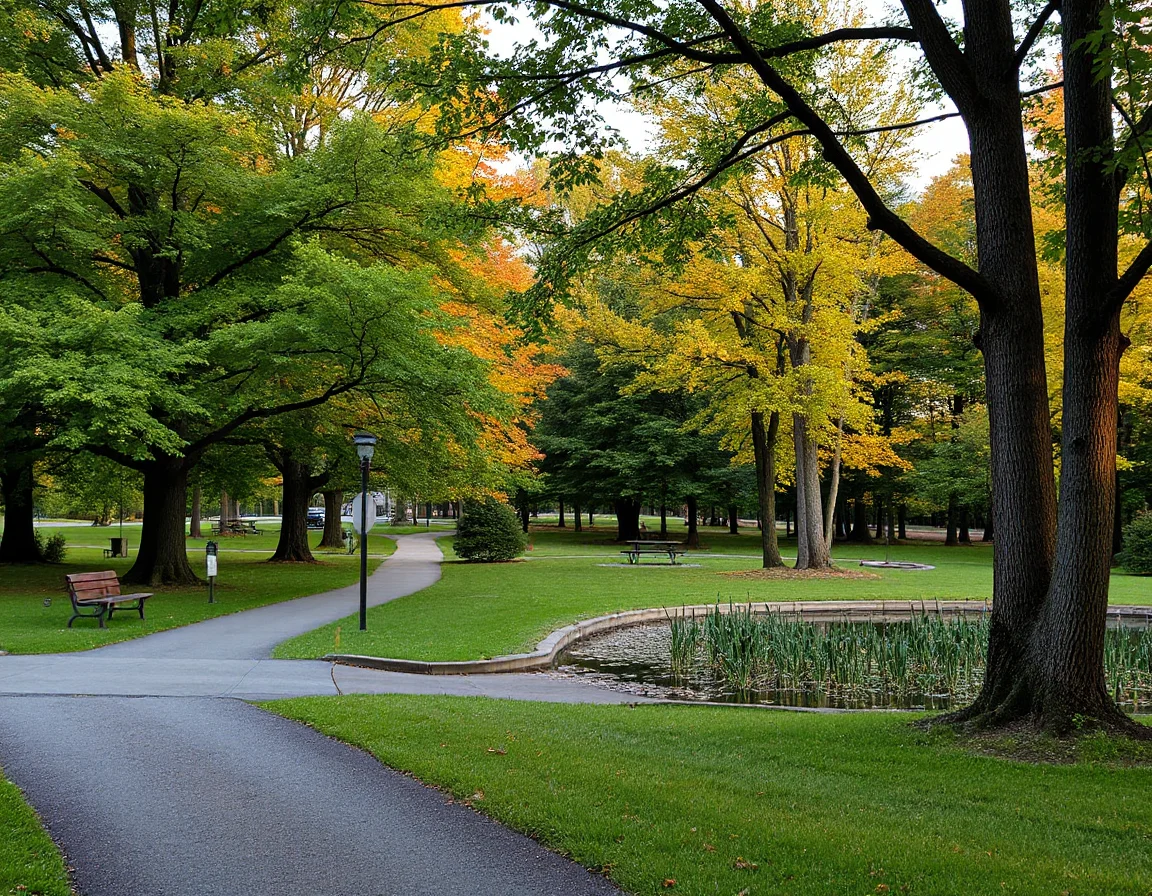
Green space is a meaningful part of the local landscape. Community parks, lake areas, walking routes, and public recreation opportunities across the Pocono Mountains give people many ways to spend time outside without planning a major excursion. Seasonal changes keep those outings varied: spring brings fresh woodland color, summer invites time around the water, fall highlights the region’s foliage, and winter shifts attention toward snow-season recreation.
For buyers, this setting is worth considering in practical terms as well as scenic ones. Ask how far a particular property is from the services you use most often, whether roads are maintained year-round, and what the local terrain means for parking, drainage, snow removal, or a wooded lot. A home’s daily convenience can be shaped by its specific community, private-road arrangements, and association rules just as much as by its map location.
In the Pocono Lake area, two homes only a few miles apart can have very different routines because lake access, community amenities, road ownership, and HOA requirements vary by development.
Outdoor amenities can also influence how a property is used. A residence near a lake or trail network may offer a different experience than one positioned closer to major routes and regional services. Neither is automatically better; the right fit depends on how you expect to use the property, how much upkeep you want to manage, and which conveniences matter most during a typical week.
Dining, Errands, and Regional Connections
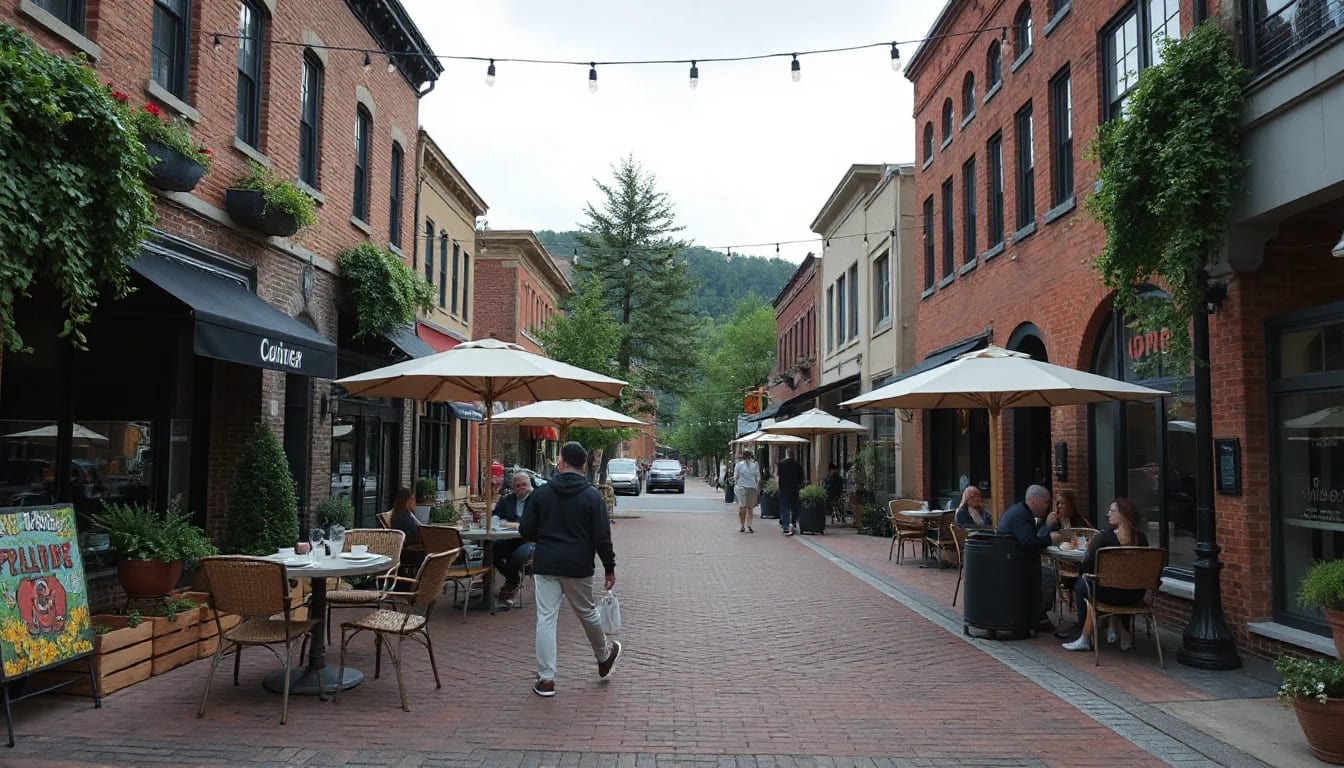
Everyday convenience in Pocono Lake often comes from being connected to a larger network of nearby Pocono communities. Local options may cover immediate needs, while a broader selection of groceries, medical offices, specialty services, dining, and retail is available through short regional drives. This is a helpful perspective for anyone relocating from a more densely developed area: errands may involve a little more planning, but the region offers multiple destinations rather than relying on a single commercial center.
Dining is part of that regional rhythm. Casual meals, coffee stops, seasonal gathering spots, and independent dining destinations can be found throughout the surrounding Pocono Mountains. Availability and hours can change with the season, so it is wise to confirm current schedules when visiting properties. Exploring at different times of day can also reveal useful details about traffic patterns, road lighting, parking, and how long a drive actually feels from a prospective home.
For a practical house-hunting visit, build in time beyond the showing itself. Drive the route to a grocery store, identify the nearest fuel stop, and note the road conditions between the property and major connectors. If a home is within a community, review the gate access process, amenity schedule, guest policies, and any fees that may apply. These small details help turn a listing search into a realistic picture of ownership.
Convenience is often about predictability. A home that suits your plans may be close to the services you use frequently, have an easy route for regular trips, or offer enough onsite space that you prefer to spend more time there. For vacation-home and investment-property buyers, it can also be useful to consider arrival patterns, seasonal demand, local regulations, and the practical needs of maintaining a property when you are not present.
Property Types and Community Details to Compare
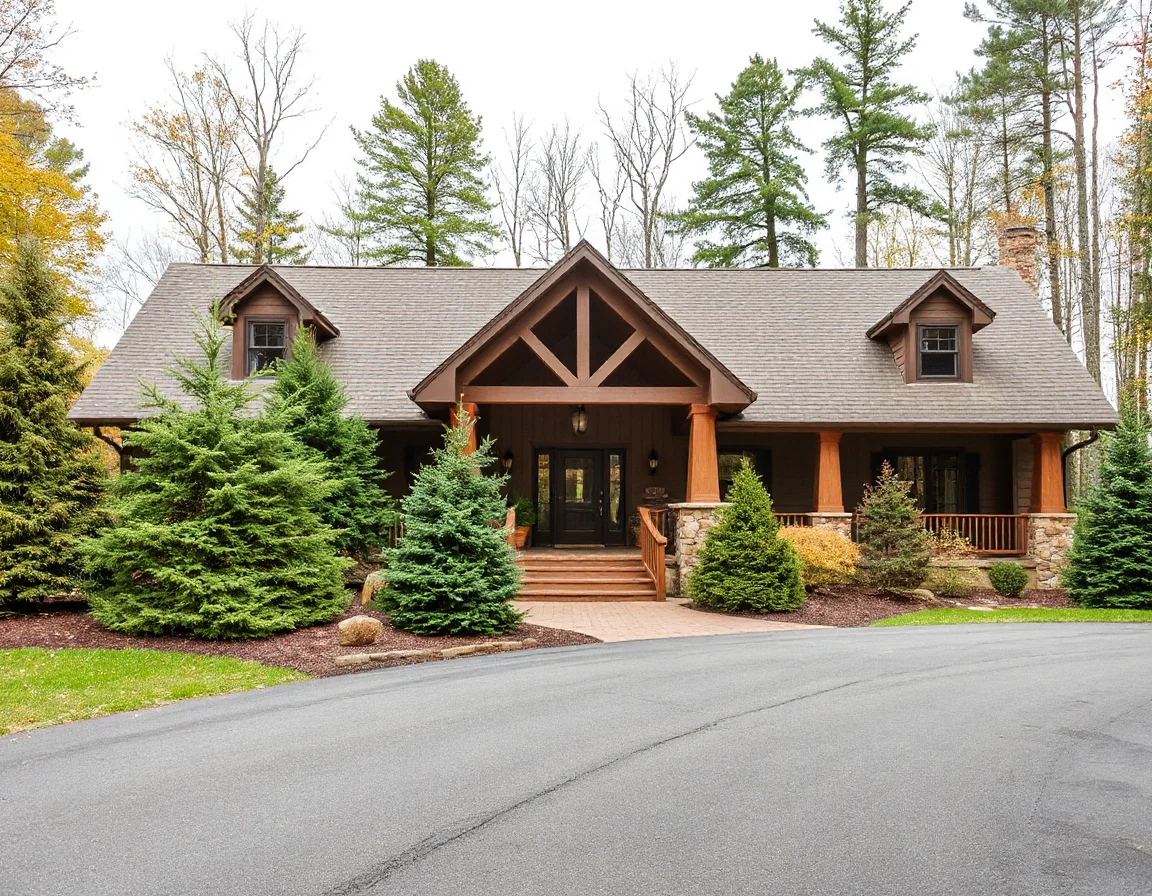
Housing around Pocono Lake includes a mix of year-round residences, vacation homes, cabins, contemporary houses, and properties in planned communities. Architectural styles, lot sizes, utility setups, and shared amenities can differ substantially from one neighborhood to the next. Looking beyond bedroom and bathroom counts can reveal which home is most aligned with your intended use.
Start with the property’s systems and obligations. Some homes may have public or private water arrangements, septic systems, propane service, wells, community dues, or private-road assessments. These are not necessarily drawbacks; they are simply key parts of the ownership picture. Reviewing disclosures, inspection findings, association documents, and current fee information is essential before making decisions.
Community amenities can be another point of comparison. Depending on the development, features may include lakes, beaches, pools, clubhouses, playgrounds, courts, or maintained common space. Buyers should verify which amenities are available to a specific property, whether use is seasonal, and how rules are administered. Clear answers about rental policies are especially important for anyone considering a property as an investment or part-time residence.
Wooded settings create their own maintenance calendar. Leaves, branches, drainage, roof care, driveway surfaces, and winter preparation can all deserve attention. A property with mature trees may feel wonderfully private and connected to the landscape, while also requiring a plan for regular exterior care. During a showing, look at grading, gutters, tree proximity, storage space, and access for service providers.
Association documents, rental rules, utility information, and road-maintenance details should be reviewed early—before a property’s lake access or wooded setting becomes the only feature guiding your decision.
Current market conditions also matter. Inventory, pricing, competition, and days on market can shift by season and by property type. A well-prepared buyer benefits from a local conversation about recent comparable sales and the practical differences between communities. Sellers can use the same information to understand how condition, access, amenities, and timing may shape a listing strategy.
Make the Most of a Pocono Lake Visit
The most useful way to explore Pocono Lake is to treat a visit like a preview of ordinary life. Tour homes, then drive a few everyday routes. Spend time near the lake or a local park, check the distance to services that matter to you, and observe the setting in both daylight and early evening when possible. Those impressions can be as valuable as square footage when you are comparing properties.
It is also worth viewing the area through the lens of all four seasons. A sunny summer day shows one side of the region; a fall visit may highlight foliage and road coverage, while winter questions should focus on plowing, heating systems, driveway grades, and access during changing weather. Local knowledge can help translate those seasonal considerations into a clear plan for buying, selling, or maintaining a home.
From outdoor recreation to regional dining and everyday services, Pocono Lake offers a flexible base for many kinds of property goals. Thoughtful research will help you identify the home and community features that support the way you want to use the space—whether that means a primary residence, a weekend place, or a real estate investment in the Pocono Mountains.