A well-maintained exterior can make a Pocono Lake home more appealing while helping owners address the effects of snow, rain, and changing seasons. The best deck, roof, and siding projects balance condition, cost, and potential resale appeal—not just a fresh look. Here’s how to prioritize improvements and avoid assuming every dollar spent will come back at closing.
Start With Condition, Not a Shopping List
A deck overlooking the trees or a freshly updated exterior can make a memorable first impression. But before choosing colors and finishes, look for the repairs that protect the home and support its everyday use. An aging roof, deteriorated deck framing, or moisture-damaged siding may deserve attention before a cosmetic upgrade.
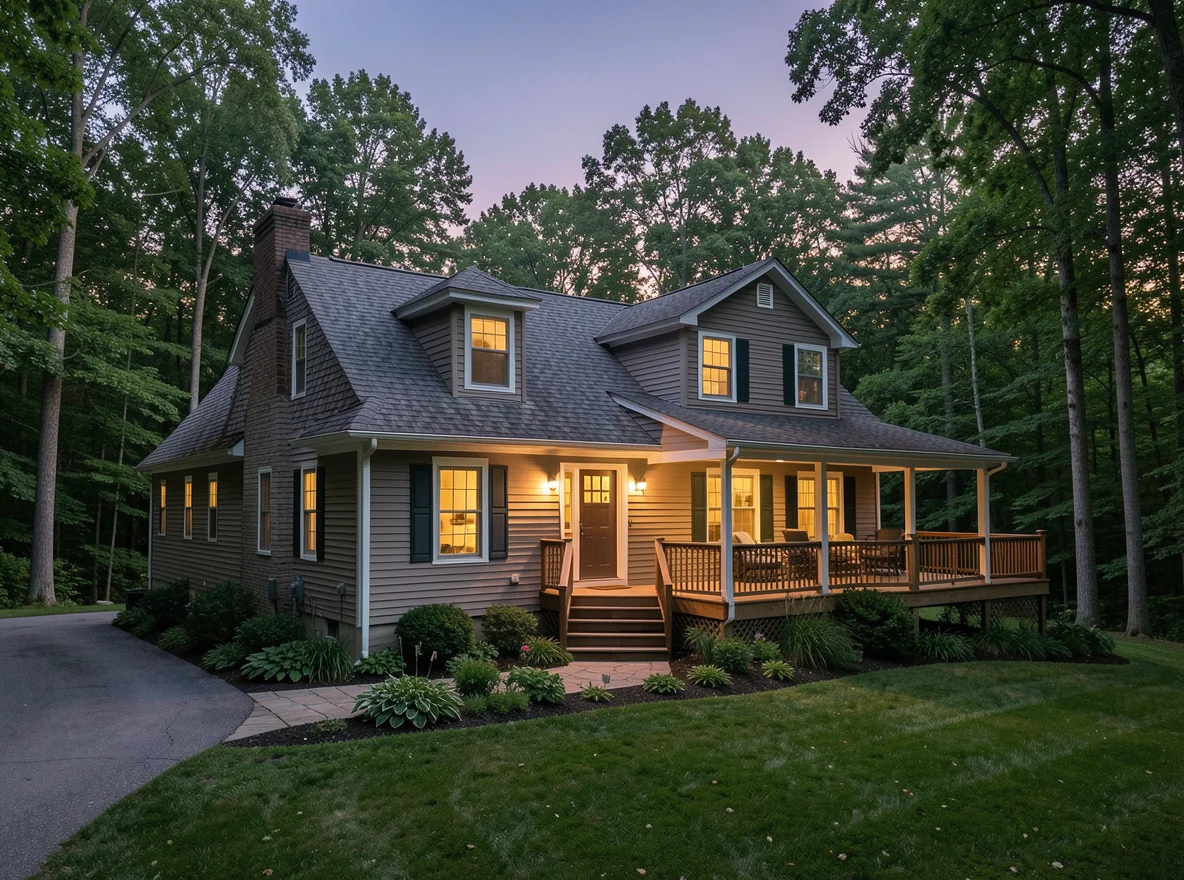
Walk around the property and note visible concerns: loose boards, peeling finishes, damaged gutters, or areas where siding appears warped. Inside, look for staining near ceilings and exterior walls. These signs do not necessarily reveal the cause, so bring in a qualified professional for a closer assessment rather than relying on appearance alone.
For sellers, the goal is to reduce avoidable questions and present the property honestly. For buyers, a careful inspection can reveal future costs that are easy to miss during a showing. In either case, ask contractors to separate immediate repairs from improvements that can reasonably wait.
A sound, documented repair may do more for a sale than an attractive upgrade layered over an unresolved moisture problem.
It also helps to think about how the home is used. A property occupied throughout the year may face different maintenance priorities from one visited periodically. In either situation, durable materials and a practical maintenance plan can make the exterior easier to manage through the seasons.
Deck Upgrades: Make Outdoor Space Usable and Sound
A deck can extend the living area into the outdoors, but its value starts with a stable structure. Ask a qualified contractor to examine framing, ledger connections, footings, stairs, railings, and flashing where the deck meets the house. Loose railings, soft boards, or signs of rot warrant attention before furniture or decorative lighting enters the plan.
Once structural needs are clear, compare repair and replacement options. Pressure-treated wood may have a lower initial cost, but it typically requires periodic cleaning and protective finishing. Composite decking can reduce some routine maintenance, although products, installation costs, heat retention, and warranties vary. Request itemized estimates rather than judging materials by price per board alone.
Useful improvements can be modest: replace damaged boards, improve stair lighting, or refinish an existing surface. If a larger project makes sense, consider circulation from the house, space for seating, and railing choices that preserve views. Avoid expanding a deck simply because more square footage sounds marketable; the cost and site constraints may outweigh the benefit.
Before work begins, check local permit requirements and any applicable community association rules. Some properties may have restrictions on deck size, appearance, or placement. Confirm approvals and required inspections in advance, and keep copies of the final documents for your records.
Roofing: Protect the Home Before Refreshing Its Look
A roof is an essential protective system, not just a visible finish. Snow, rain, freeze-thaw cycles, and debris from nearby trees make drainage and regular maintenance important considerations in the Pocono Lake area. If shingles are missing or curling, leaks appear, or the roof is nearing the end of its expected service life, schedule a professional evaluation.
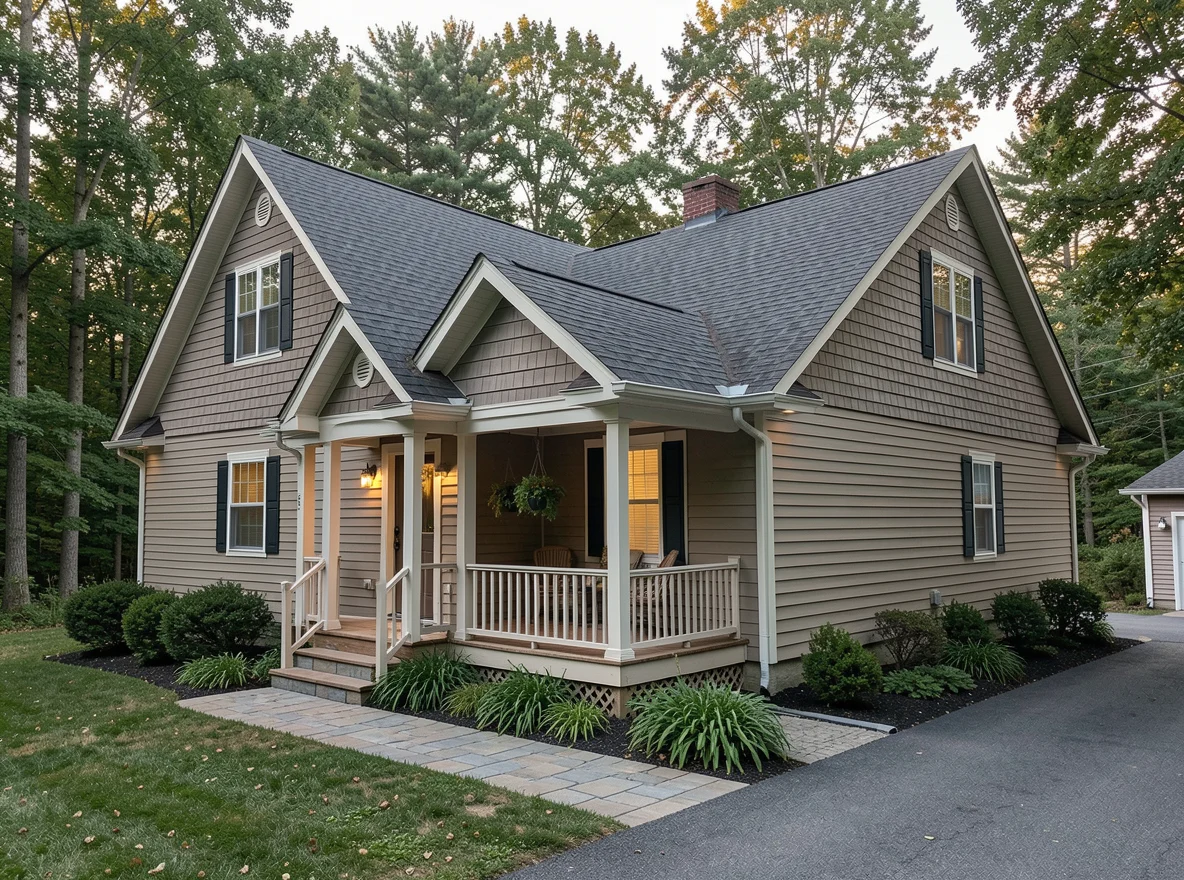
Compare more than the shingle selection when reviewing bids. Ask whether an estimate includes removal and disposal of old materials, inspection of the roof deck, replacement allowances for damaged wood, underlayment, flashing, ventilation, and cleanup. The lowest initial quote can be difficult to evaluate if important components are listed as extras.
A contractor can also assess whether attic insulation and ventilation need attention, since roof performance involves more than the surface covering. Ask about measures appropriate for local winter conditions and the specific roof design. Keep gutters clear and address drainage issues so water has a route away from the home.
For a roof comparison, request written bids with the same scope of work. Different allowances for decking, flashing, and cleanup can make prices look more similar—or more different—than they really are.
A new roof may reassure a buyer, but replacement is not automatically the best choice before listing. If the roof is serviceable, documentation of its age and maintenance, along with any professional assessment, can help buyers understand its condition. Discuss a major replacement with your contractor and real estate professional before committing to the expense.
Siding: Balance Appearance, Maintenance, and Moisture Control
Clean, intact siding gives an exterior a cohesive look, but its job is also to help manage weather exposure. Inspect for cracks, loose panels, peeling paint, and gaps around windows and doors. Pay particular attention to areas near the ground or beneath roof edges, where splashback and drainage problems may contribute to deterioration.
Depending on the material and condition, a thorough cleaning, targeted repair, or repainting may be enough. When replacement is warranted, compare vinyl, engineered wood, fiber cement, and other products with a local contractor. Ask about installation requirements, ongoing care, warranties, and how each option performs for the property’s exposure and design.
Good installation matters as much as the visible surface. Discuss the condition of the underlying wall, the water-resistive barrier, flashing, trim, and transitions around openings. If hidden damage is discovered after work begins, the final cost can rise, so ask how changes will be documented and approved.
How to Judge Potential Return
No exterior project guarantees a dollar-for-dollar return. Resale impact depends on the property’s starting condition, the quality and cost of the work, buyer expectations, and competing homes when it comes to market. A repair may help prevent negotiations over a known defect without producing a predictable increase in sale price.
To make a grounded decision, get multiple written estimates and compare them with your available budget. Ask Cynthia Blanchard to review the home’s condition and relevant local listings or recent sales, then discuss whether the planned work fits the likely selling strategy. For a home you plan to keep, include your own enjoyment and reduced maintenance in the decision—not just a possible future sale.
Discuss your property with Cynthia
Keep contracts, permits, invoices, warranties, and before-and-after photographs together. Buyers may appreciate a clear record of what was done and by whom, while owners can refer to it when scheduling future care. Warranty terms and transferability vary, so check the documents rather than assuming coverage passes to a new owner.
Whether the next step is tightening a railing or replacing an entire roof, prioritize a safe, weather-ready exterior and a scope you can support financially. Thoughtful choices today can make the home more comfortable to use and better prepared for its next chapter.