
Buying your first home in Hawley becomes more manageable when you know what happens before, during, and after an offer. From setting a comfortable budget to reviewing inspections and closing documents, these steps can help you move forward with fewer surprises.
1. Build a budget around the whole cost of ownership
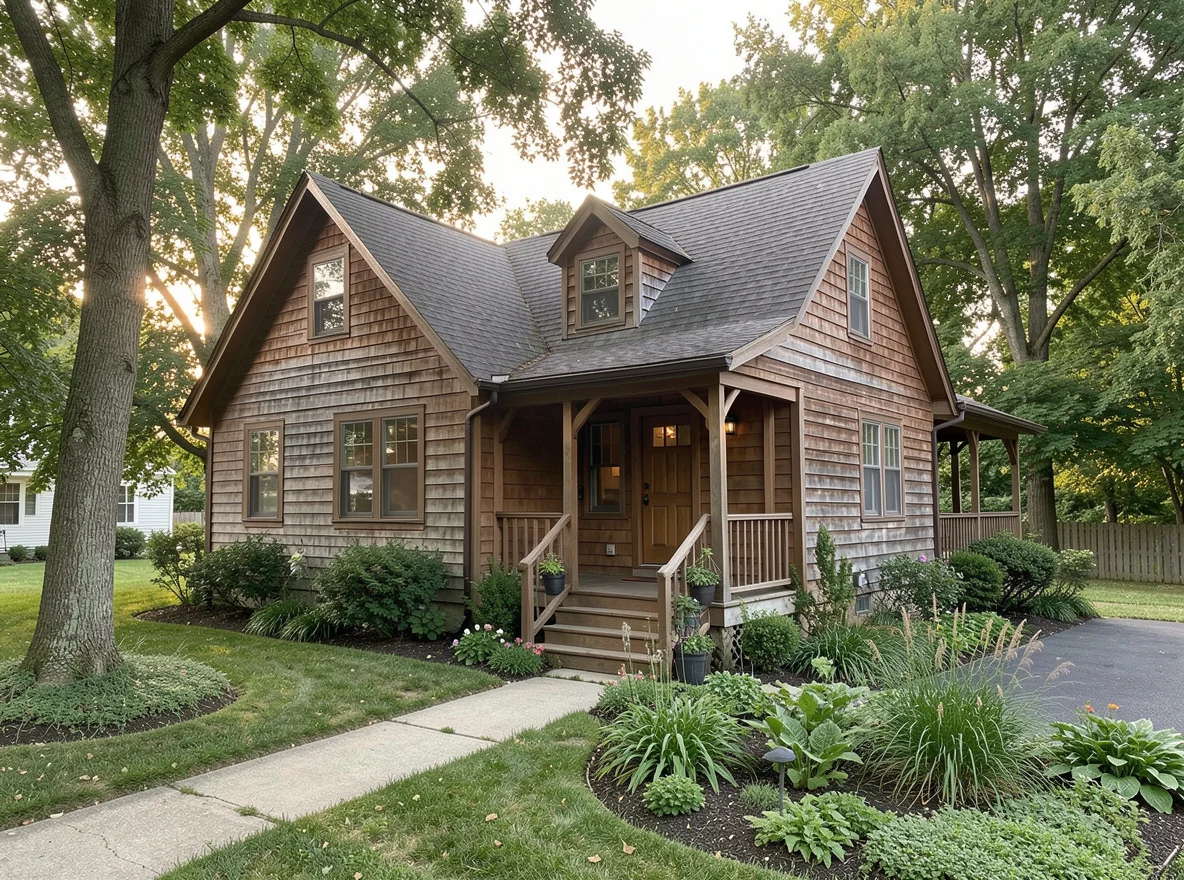
Before you fall for a wooded lot or a welcoming front porch, decide what you are comfortable spending each month. Your mortgage payment is only part of the picture: property taxes, homeowners insurance, utilities, maintenance, and any association dues also belong in the calculation. Leave room for the unexpected, too, whether that means a heating repair or a new appliance.
Next, think about the cash you will need up front. In addition to a down payment, plan for inspections, appraisal charges, lender fees, title-related expenses, and other closing costs. The amount varies by transaction and loan, so ask a lender for an estimate rather than relying on a single rule of thumb.
A comfortable purchase price should leave room for both closing costs and the ongoing expenses of owning the home.
Some loan programs allow lower down payments, and assistance may be available to qualifying buyers. Ask lenders about eligibility, current requirements, and how each option affects your payment and cash reserves. Comparing loan estimates can help you understand the tradeoffs between interest rate, fees, and the amount you bring to closing.
2. Get preapproved and choose your buying priorities
A mortgage preapproval gives you a clearer starting range and shows sellers that a lender has reviewed your financial information. You will typically be asked for details about income, assets, debts, and credit. Preapproval is not a final loan commitment; the lender will still review the property and verify information before closing.
As you prepare, separate your essentials from your preferences. Consider the space you need, your preferred layout, parking, commute routes, and the amount of maintenance you are willing to take on. If access to Lake Wallenpaupack or Hawley’s dining and recreation matters to you, check the actual route and travel time from each property rather than assuming every Hawley-area address is equally close.
It also helps to discuss how you want to work with a real estate professional. Cynthia Blanchard can help you assess listings, understand the buying process, and compare homes with your stated priorities. Review any buyer representation agreement carefully, including its terms and compensation provisions, before signing.
3. Explore Hawley homes with a practical checklist
Once your financing and priorities are in place, start comparing available properties. Look beyond the listing photos: a charming exterior may be accompanied by different heating systems, utility arrangements, road access, or maintenance responsibilities. Ask which municipality the property is in and verify taxes and other property-specific details.
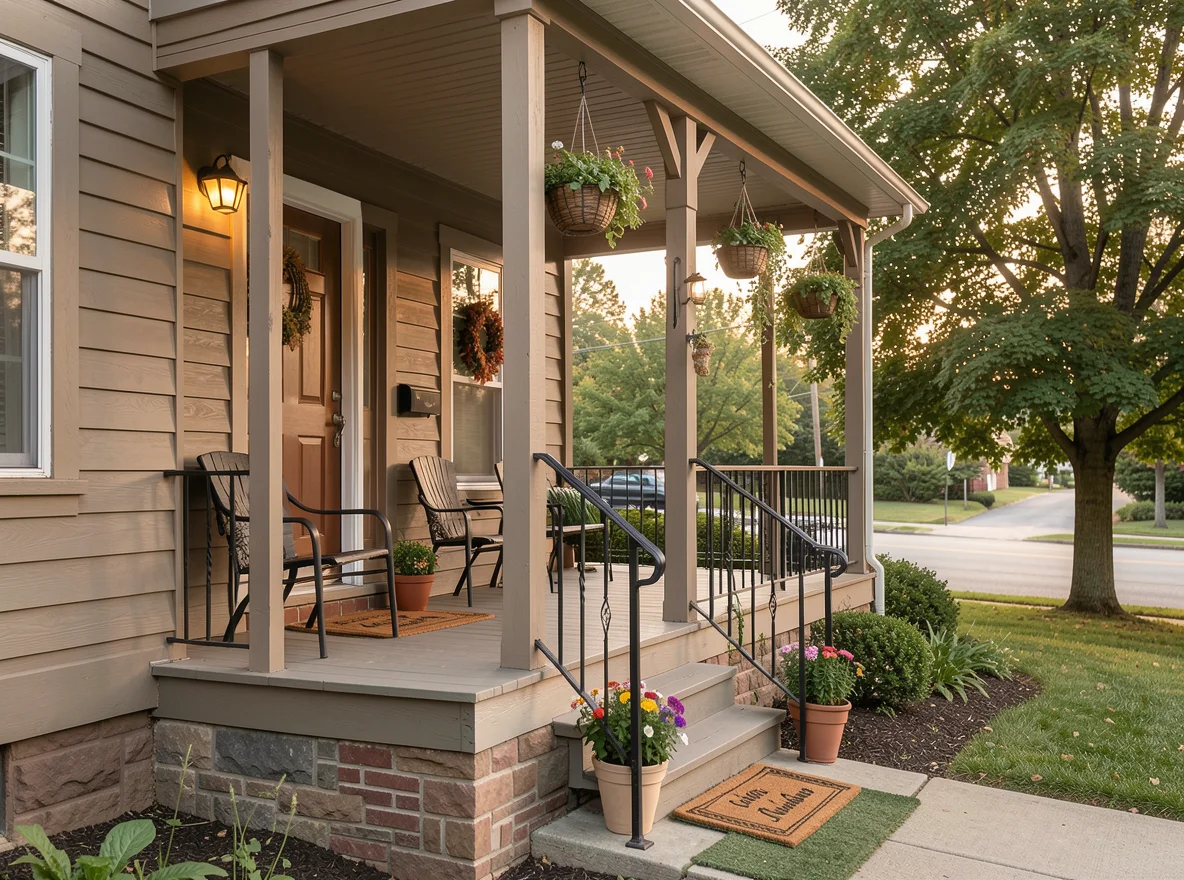
During a showing, pay attention to the roof, windows, drainage, basement, and visible signs of moisture. Notice how the home is heated and cooled, and ask about service history where available. A showing is not a substitute for a professional inspection, but it can help you decide which questions deserve a closer look.
Some properties may use a private well or septic system, sit on a private road, or be subject to community association rules. If any of these apply, ask about testing, maintenance records, road agreements, dues, and restrictions. For a property near water, verify access and any applicable rules rather than assuming a view includes lake privileges.
For a home with a well, septic system, or association, request the relevant records early so you can evaluate responsibilities before important contract deadlines.
Compare each home against your budget and your original priorities, not just the excitement of the tour. Consider how the property may function throughout the year, including winter access, heating costs, and routine upkeep. Listings and conditions change, so review current options with your agent before deciding which properties to visit.
4. Make an informed offer
When a property feels right, your agent can help you review comparable sales and current conditions before choosing an offer price. Price matters, but it is only one part of the proposal. The agreement may also address your deposit, financing, inspections, closing date, and other terms that affect both your risk and the seller’s decision.
A deposit, sometimes called earnest money, is generally delivered according to the purchase agreement and handled under its terms. Ask when it is due, where it will be held, and what happens if the transaction does not close. Your agent can explain the process, and a Pennsylvania real estate attorney can answer legal questions about your contract.
Contingencies establish conditions and deadlines for matters such as financing and inspections. Understand what each provision allows, how to give notice, and what could happen if you miss a deadline. A competitive offer should still reflect the risks you are prepared to accept; do not waive protections without understanding the consequences.
5. Complete inspections, appraisal, and loan approval
After the seller accepts your offer, your work turns to due diligence. Arrange the inspections permitted by your agreement and review the reports carefully. Depending on the property and your contract, you may also want specialized evaluations for a well, septic system, radon, pests, or other concerns. Your inspector can help explain findings, but contractors or other specialists may be needed to estimate repairs.
If an inspection reveals a problem, discuss the available choices with your agent before the applicable deadline. Depending on the agreement, you may be able to request repairs or a credit, proceed as written, or exercise a contract right to terminate. A request is not a guarantee that the seller will agree, so keep your priorities and budget in view.
Meanwhile, your lender may order an appraisal and request updated financial documents. Respond promptly and avoid major financial changes without first checking with the lender. You will also arrange homeowners insurance and work with the settlement or title company on the title search and closing preparation.
6. Review the details and close with confidence
Before closing, review your closing documents and final figures with your lender and settlement provider. Ask about any charges you do not understand, confirm how to deliver funds securely, and independently verify wiring instructions using a trusted phone number. If you are using a mortgage, review your Closing Disclosure and ask your lender about the applicable timing requirements.
A final walkthrough is your opportunity to check that the property is in the agreed condition, that negotiated work has been addressed, and that included items remain in place. Bring questions to your agent before signing. Once the documents are complete, funds are transferred, and the transaction is finalized, you can receive the keys according to the agreement.
Buying a first home is a series of decisions, not a race to a closing date. With a realistic budget, careful property review, and guidance at each stage, you can focus on finding a Hawley home that fits your plans and understand what comes next.